You already shoot local events for free. Here's how to start getting paid for it.
A practical path from hobby photographer to paid event photographer: permission, pricing, and one QR code.
5 min read
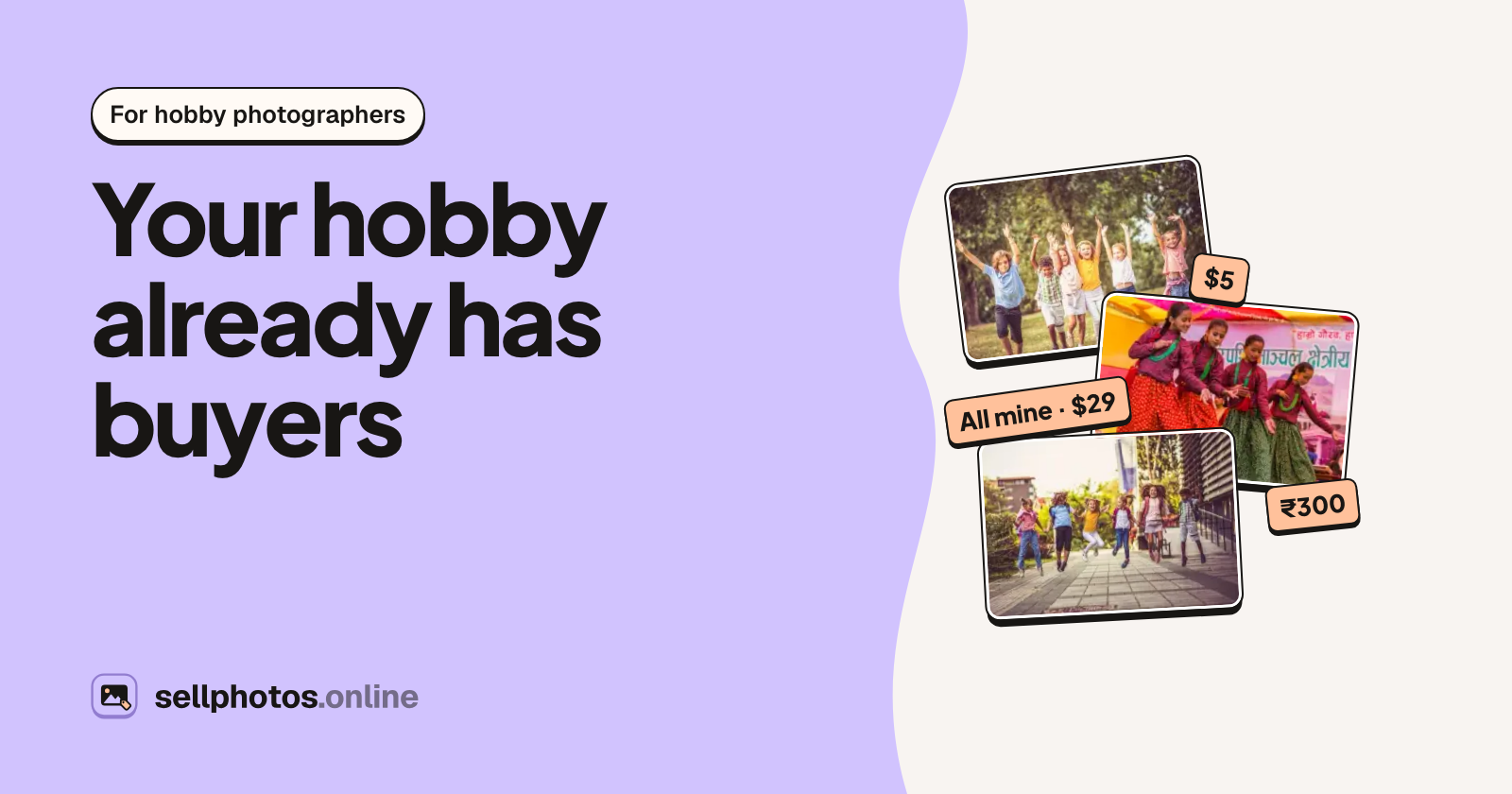
You're the person with the camera. At your kid's football matches, the school play, the neighbourhood Diwali or Christmas fair, the club 10K, the college fest. You shoot because you enjoy it, and afterwards you dump a few hundred photos into a shared folder and people say thanks.
Then someone asks, "Can I get the one of my daughter at the finish?" And you realise there's a small business sitting in that folder.
This is a practical guide to turning the events you already shoot into a side income, without quitting your job, buying new gear or becoming a salesperson.
Start with permission, not pricing
Before you sell a single photo, talk to whoever runs the event: the coach, the school office, the festival committee, the race director. Selling photos of their event without asking is the fastest way to never be invited back.
Ask three things:
- Can I sell the photos to the people in them? Most organisers say yes when they see it saves them the job of handling photo requests.
- How do you want families to get the link? The club WhatsApp group, the school newsletter, a poster at the gate, a slide at the closing.
- What's the policy on children's photos? Schools and clubs often have one. Follow it. Some events will want the gallery unlisted (link only) or face search off, and that's fine.
What can you offer them back? A free copy of the whole event for their own newsletter and archive is the easy one. Some photographers agree to give a share of sales to the club or the school's fundraiser. If you do, agree the split in writing and settle it yourself; the selling platform doesn't split payments for you.
Your first event: free, or close to it
Your first event is not about money. It's about learning three things: how many people actually open the gallery, how many find themselves, and which photos they want.
Run it as free downloads if you can. Guests still scan the code, take a selfie and see the photos they're in; they just don't pay. You get the goodwill, the organiser looks good, and you see real numbers in the event's insights: gallery views, visitors, and the most-wanted photos.
If you'd rather charge from day one, price low and keep it simple: one per-photo price and one "all my photos" price.
What gear actually matters (less than you think)
The photos that sell at local events are not the most technically perfect ones. They're the ones with a recognisable face at a moment that mattered: the goal, the bow, the hug at the finish line.
What matters more than your camera body:
- Faces, in focus. Shoot people, not just action. A blurred face doesn't sell, however good the composition.
- Coverage. Try to get every participant at least once. A parent who finds zero photos of their child won't open your next gallery.
- A lens you know. A camera you know well beats a camera you bought last week.
- Batteries and cards. Boring, and the most common reason a hobbyist misses the moment.
How many photos to upload
More than you'd think. A hobbyist instinct is to show only the best 50. For selling, that's backwards: a parent cares about the photo their kid is in, not whether it's your strongest frame.
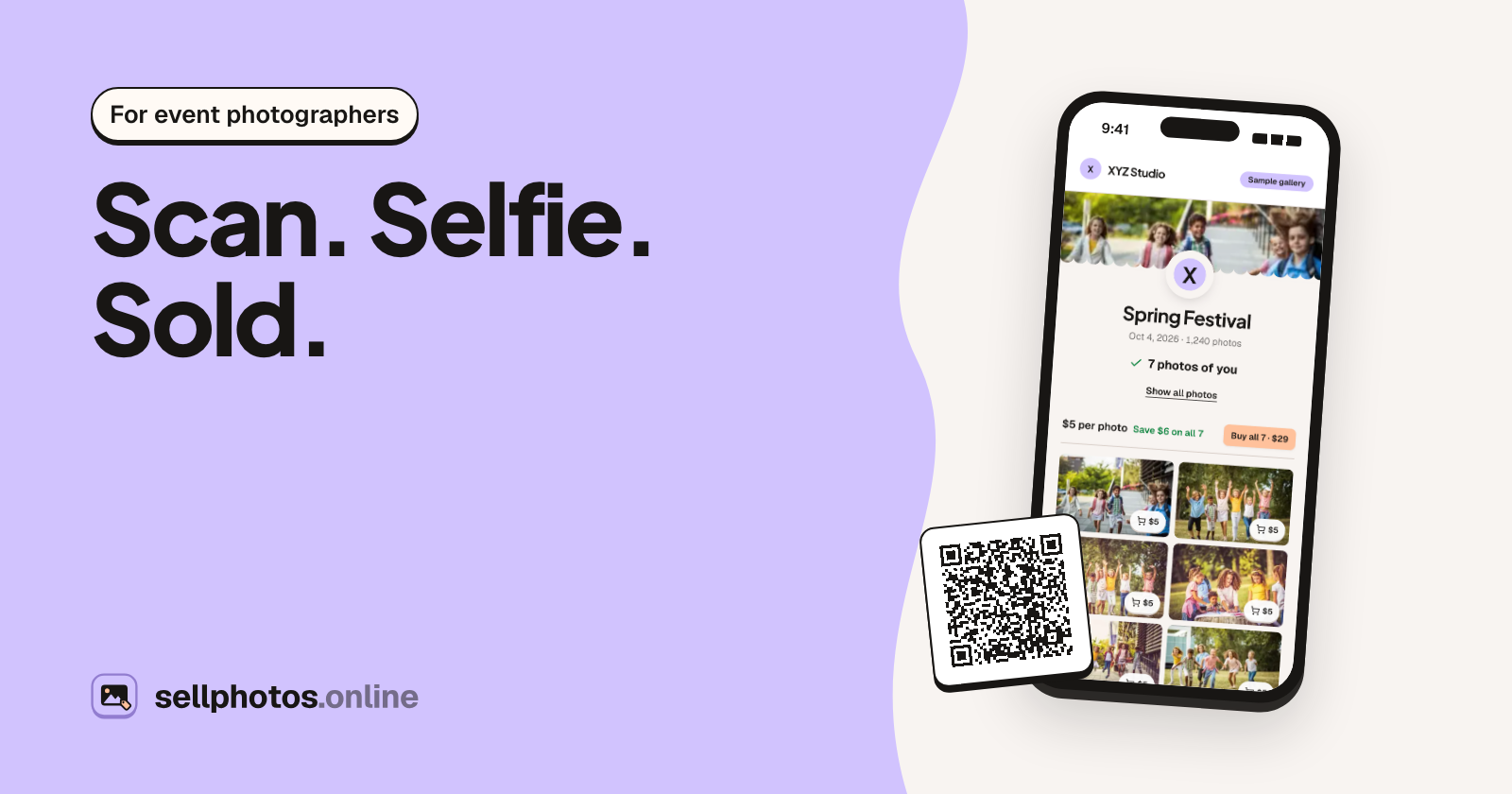
Cull the obvious rejects (blinks, misfocus, duplicates) and upload the rest. Face search does the sorting for each guest, so a big gallery doesn't overwhelm anyone. One selfie turns a gallery of 1,240 photos into the 7 that person is in.
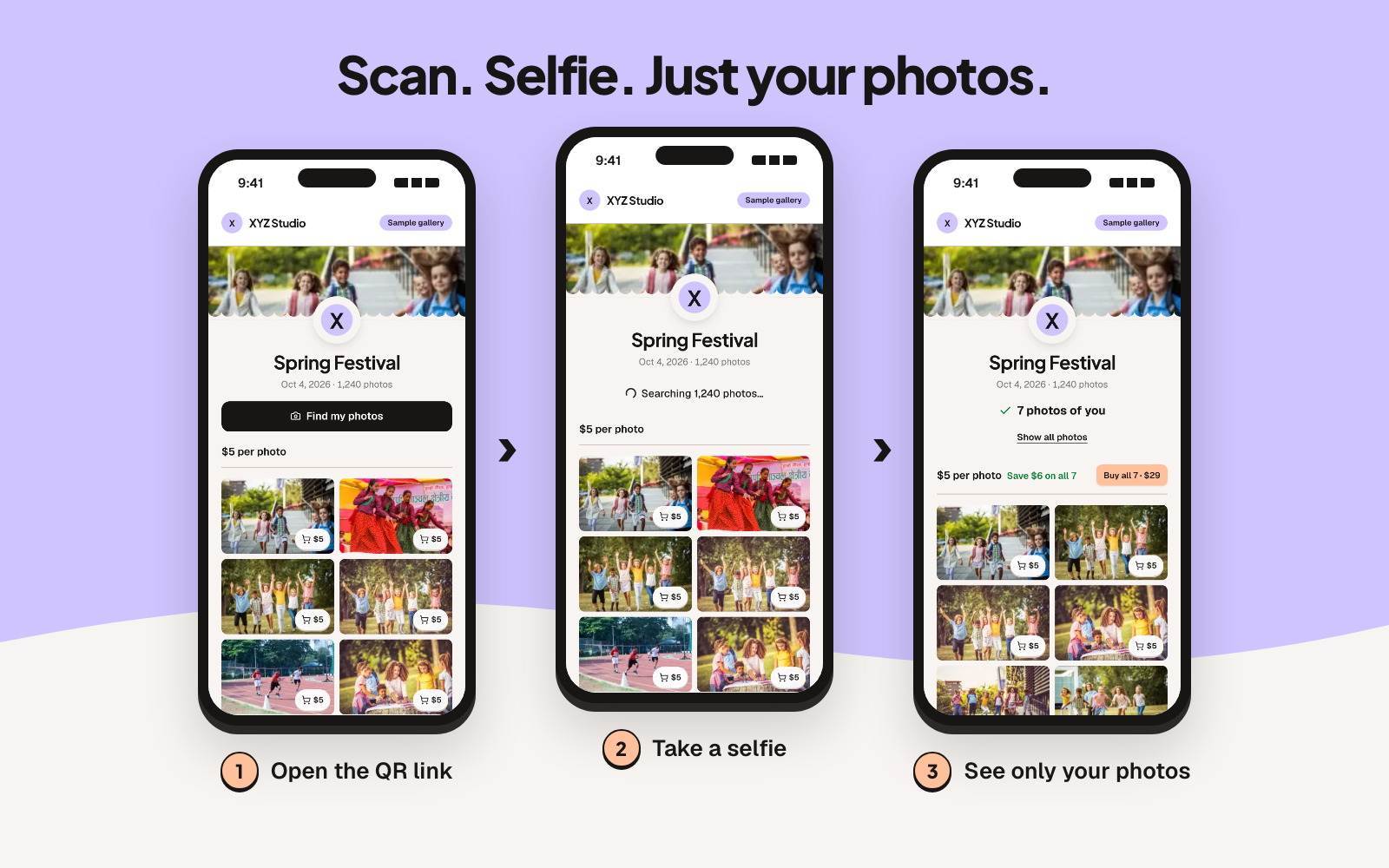
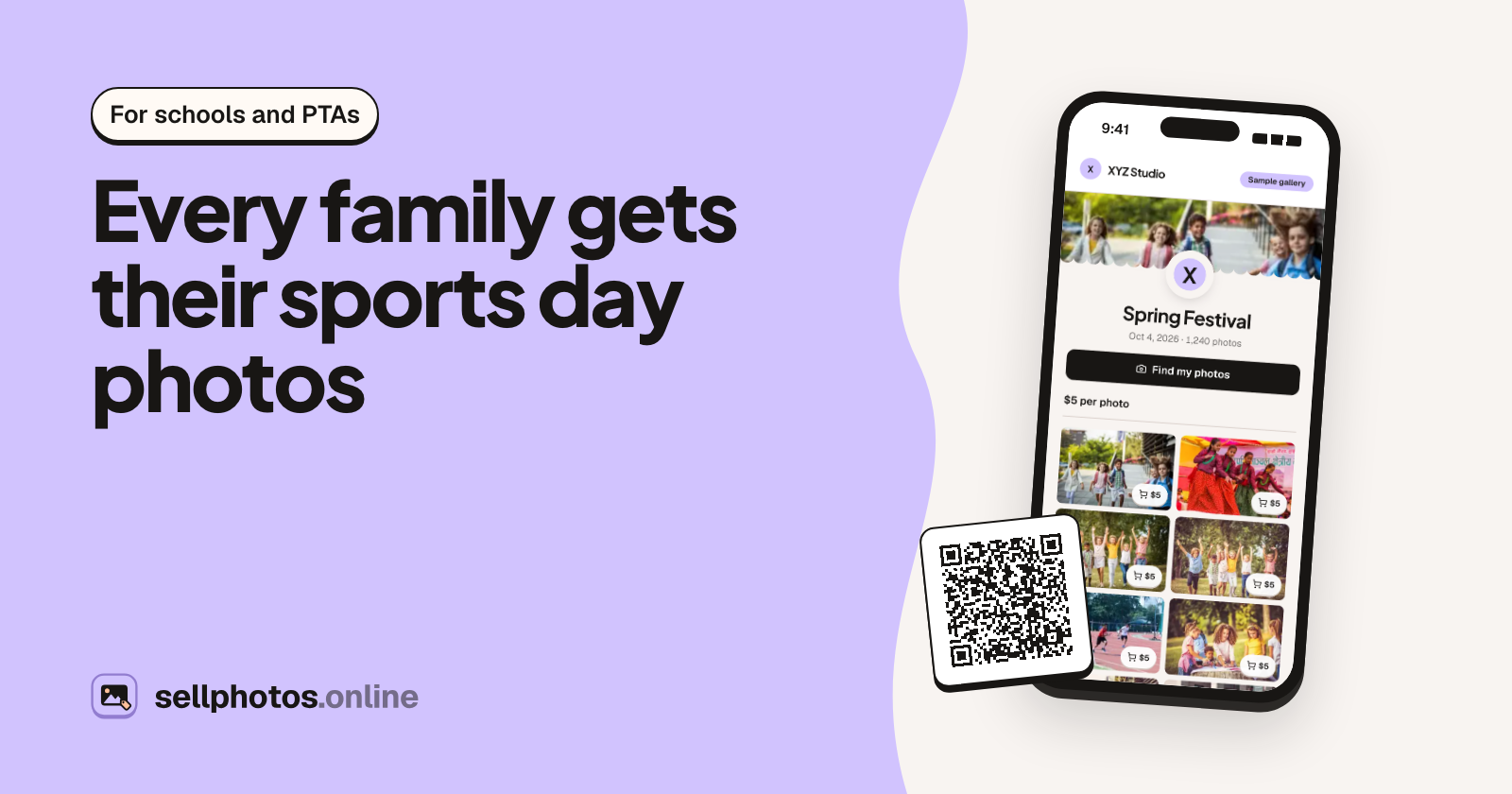
Want to see this from a guest's side? Open the sample gallery on your phone and tap "Find my photos". No sign-up needed.
A pricing ladder for part-timers
Think of pricing in stages rather than finding the perfect number on day one.
The prices below are an example to show the shape of the ladder, not a recommendation for your market.
| Stage | What you do | Example (USD) | Example (India) |
|---|---|---|---|
| Event 1 | Free downloads, build trust | $0 | ₹0 |
| Events 2-3 | Low single price + "all my photos" | $3 / $15 | ₹99 / ₹499 |
| Regular | Full prices + whole event for the organiser | $5 / $25 / $100 | ₹149 / ₹699 / ₹2,999 |
Two rules hold at every stage:
- "All my photos" should be the obvious deal. Price it at about four to six single photos. It's what most families pick when they find several photos of their kid.
- Close orders on a date. "Orders close Sunday" gets people to act this week. The gallery stays open to view afterwards.
How the money works
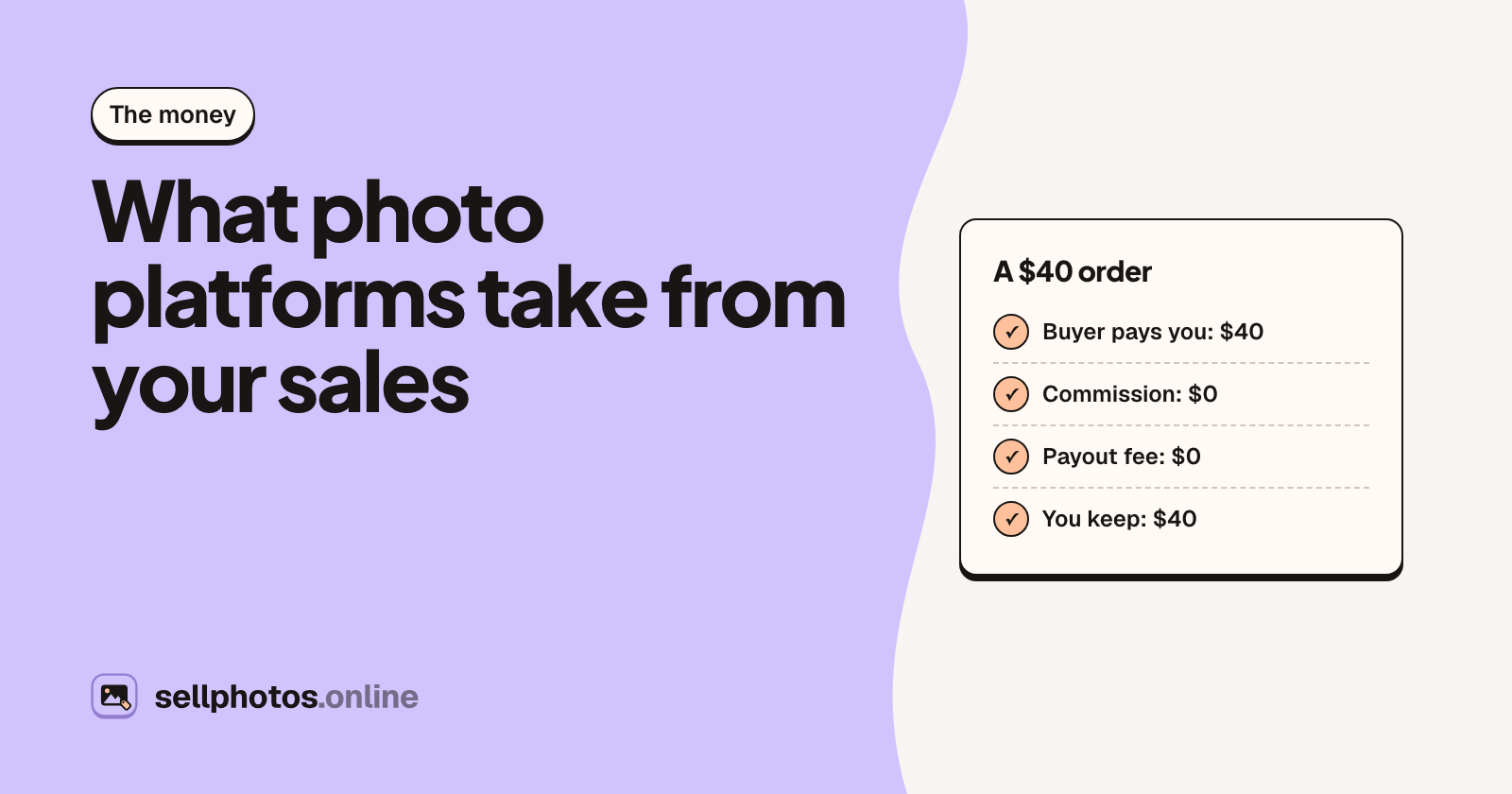
Here's the part that surprises people: buyers pay you directly. They see your UPI ID, bank details, PayPal, Zelle or Venmo at checkout, pay you, and upload a screenshot. You check the money arrived, approve the order, and the full-size photos unlock for them.
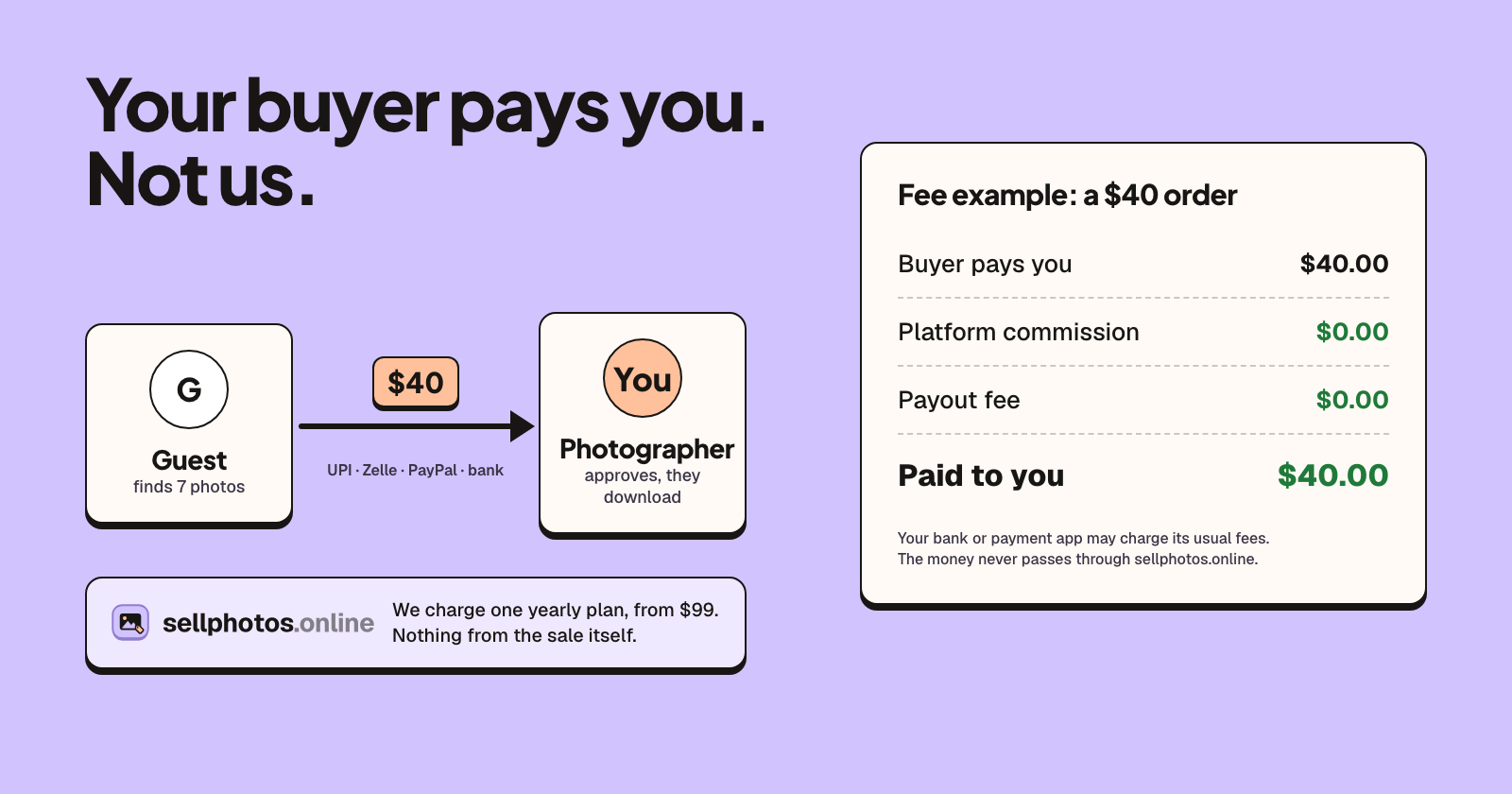
There's no commission and no payout schedule. Your cost is a yearly plan; the Starter plan is $99 a year for 5,000 photos and 250 approved orders. As arithmetic, not a forecast: at $5 a photo, twenty single-photo sales cover the year.
The trade-off is that you approve each order yourself. For a part-timer selling a few dozen orders an event, that's a few minutes a day for a week. You get an email when a buyer uploads their payment proof, so you know when to look.
Make it easy to buy on the day
The best time to sell an event photo is during the event, not a week later. Ask the organiser if you can:
- Put a QR poster at the entrance or the finish line: "Find your photos. Scan, take a selfie."
- Show the QR on the screen at the closing, with one sentence: "Photos go up tonight."
- Post the link in the group the same evening, even if you've only uploaded the first batch.
Nobody needs an app or an account to look. They only sign in at checkout.
Turn one event into the next booking
The real value of your first few events isn't the sales. It's what comes after.
- Your studio page. Listed events show on your own page, with your cover photo and contact details, while they take orders. Once you shoot regularly it works like a shop window of real, recent local work.
- The organiser's next event. If families found their photos easily, the organiser will ask you back. Ask them directly: "Want me to do the same for the annual day?"
- Word of mouth between organisers. Coaches know other coaches. School offices talk to other school offices. One smooth event is your best advert.
- What sold. Check which photos people bought most. If it's always the finish line and the podium, put yourself there next time.
A short checklist for your first paid event
- Organiser's permission, and their photo policy, in writing (an email is fine)
- Event created, prices set, watermark chosen, listed or unlisted decided
- QR poster printed and placed where people wait or finish
- First batch uploaded the same evening
- Paid orders approved within a few hours
- One reminder before orders close
- A thank-you message to the organiser, with a free copy for their archive
Where to start
Pick the next event you were going to shoot anyway. Ask the organiser this week. Then open the sample gallery to see what your guests will see, and look at the plans when you're ready.
About sellphotos.online: an online store for event photos. Upload a shoot, share one link or QR code, and guests find their photos with a selfie and pay you directly, with no commission.